
The Demand for High Reliability in Water Infrastructure
Water treatment and reclamation plants operate 24/7/365 under harsh corrosive and biological conditions. Instrumentation failure at an aeration basin or lift station can lead to catastrophic environmental overflows, regulatory fines, and process disruption. Implementing dependable, low-maintenance sensors is non-negotiable.
1. Flow Monitoring in Raw Sewage & Sludge
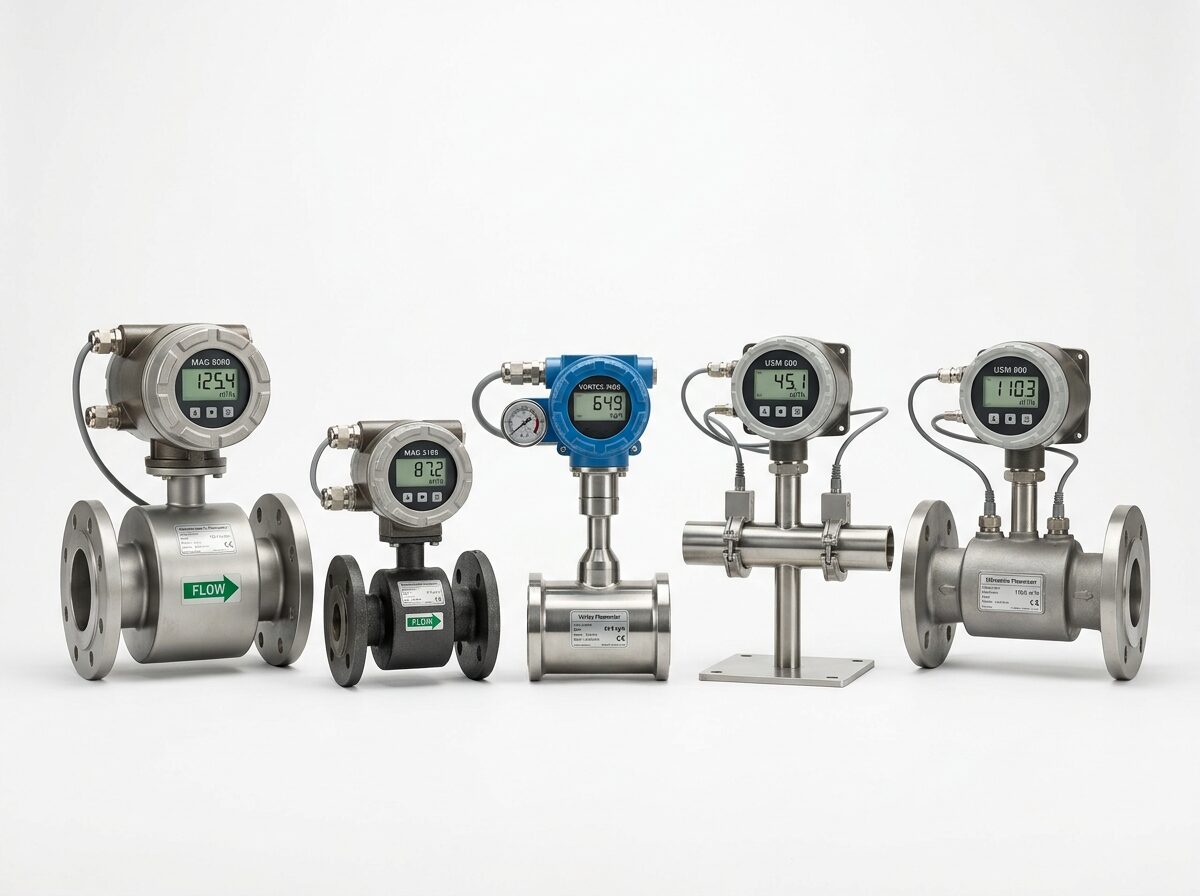
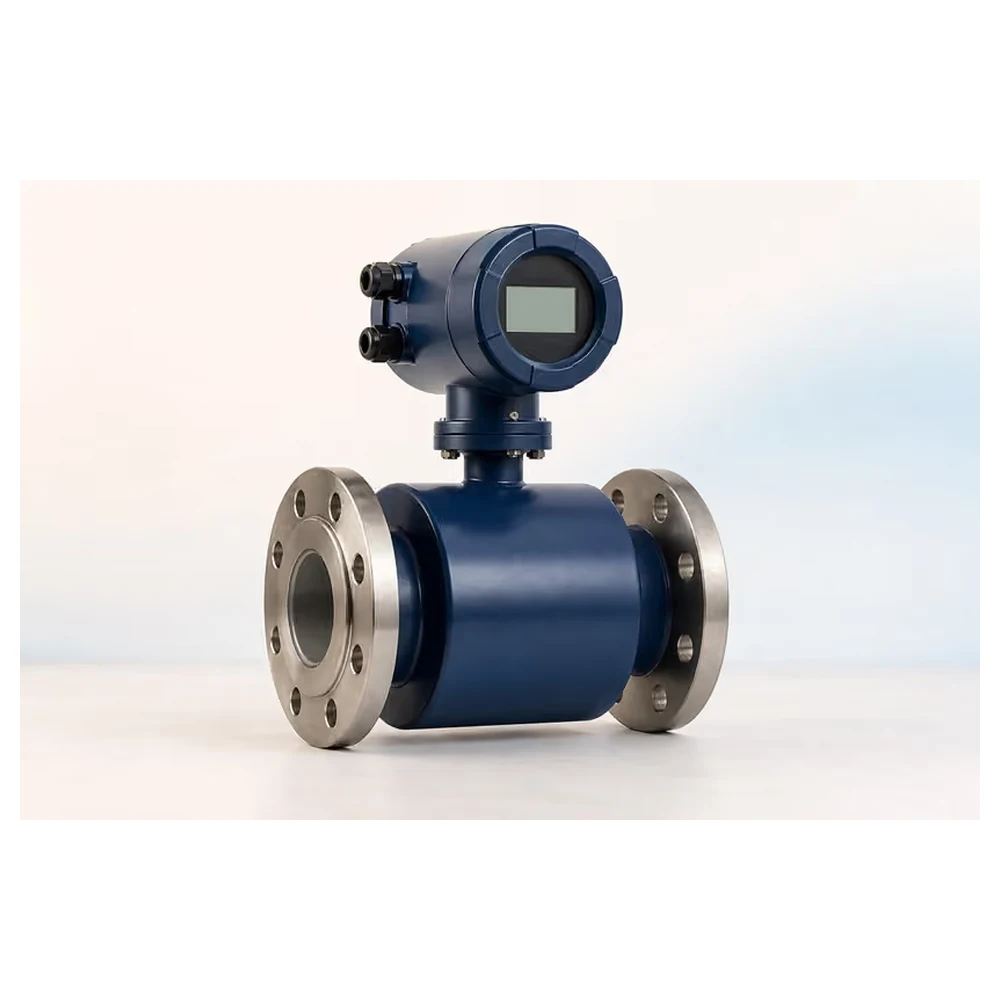
Untreated sewage contains rags, grit, fibrous solids, and hydrogen sulfide gas. Mechanical turbine or paddlewheel meters quickly jam. Electromagnetic flow meters with PTFE or hard rubber liners and IP68 submersible sensor bodies provide the ideal solution, capable of functioning continuously even when submerged in flooded vaults during severe weather events.
2. Lift Station & Wet Well Level Control
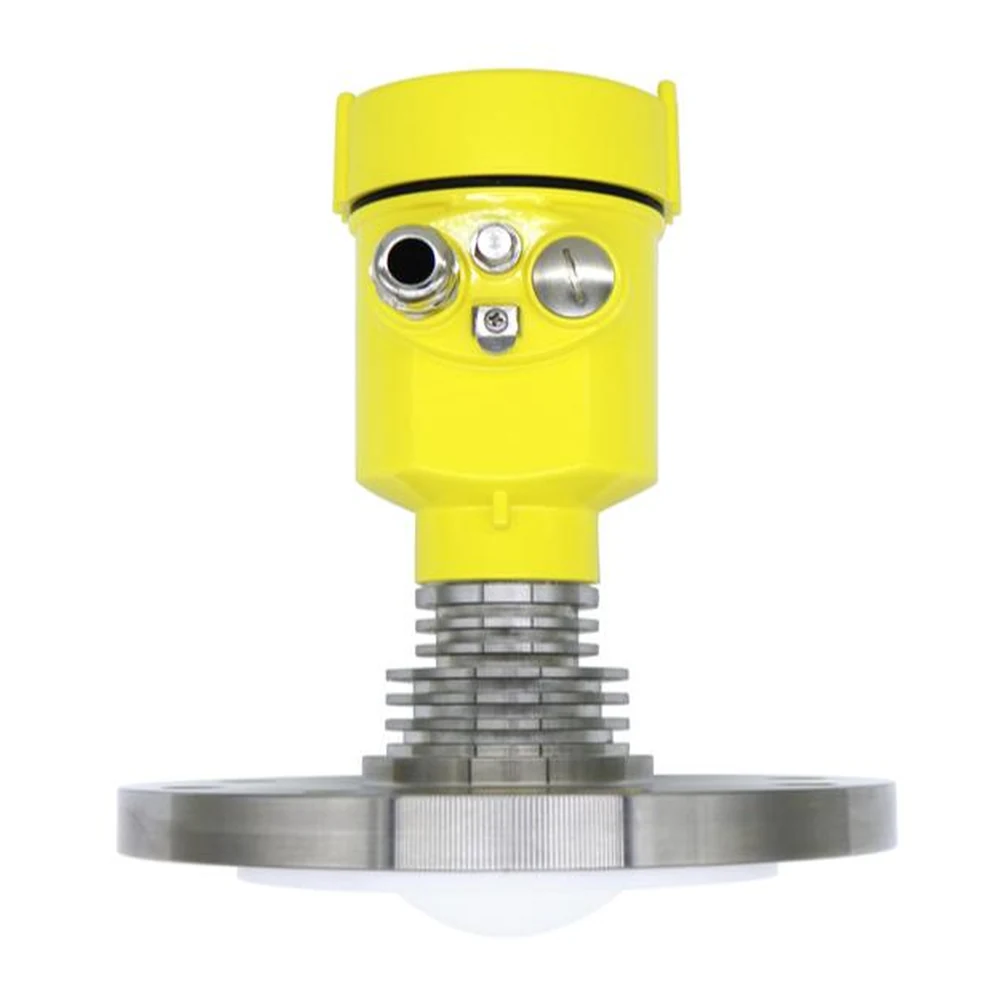
Wet wells present heavy foam blankets, grease caps, and condensation droplets that can falsely trigger older ultrasonic level transducers. Modern installations utilize 80 GHz non-contact radar transmitters or heavy-duty ceramic diaphragm hydrostatic submersible level probes with anti-clogging flush caps to deliver uninterrupted level measurement regardless of foam or vapor build-up.
3. Chemical Dosing & Disinfection Control
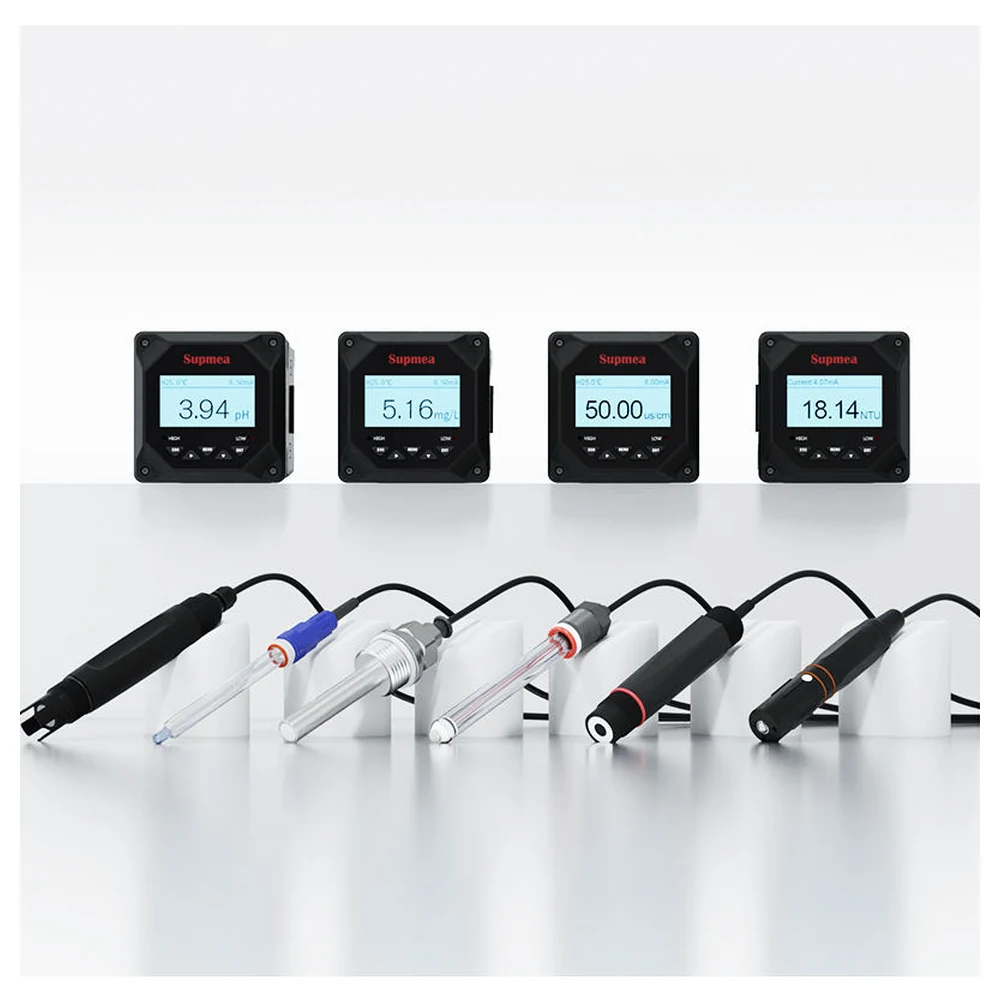
Chlorination, neutralization (acid/base dosing), and coagulant injection require continuous online water quality instrumentation:
- Differential pH / ORP sensors with flat glass electrodes that resist fouling from oils and biological slime.
- Toroidal (Electrodeless) Conductivity sensors for high-salinity brine and chemical regeneration tanks.
- Optical Dissolved Oxygen (DO) probes with luminescence technology that eliminate electrolyte replenishment and membrane fouling in aeration tanks.