


Fundamentals of Process Pressure Transmitters
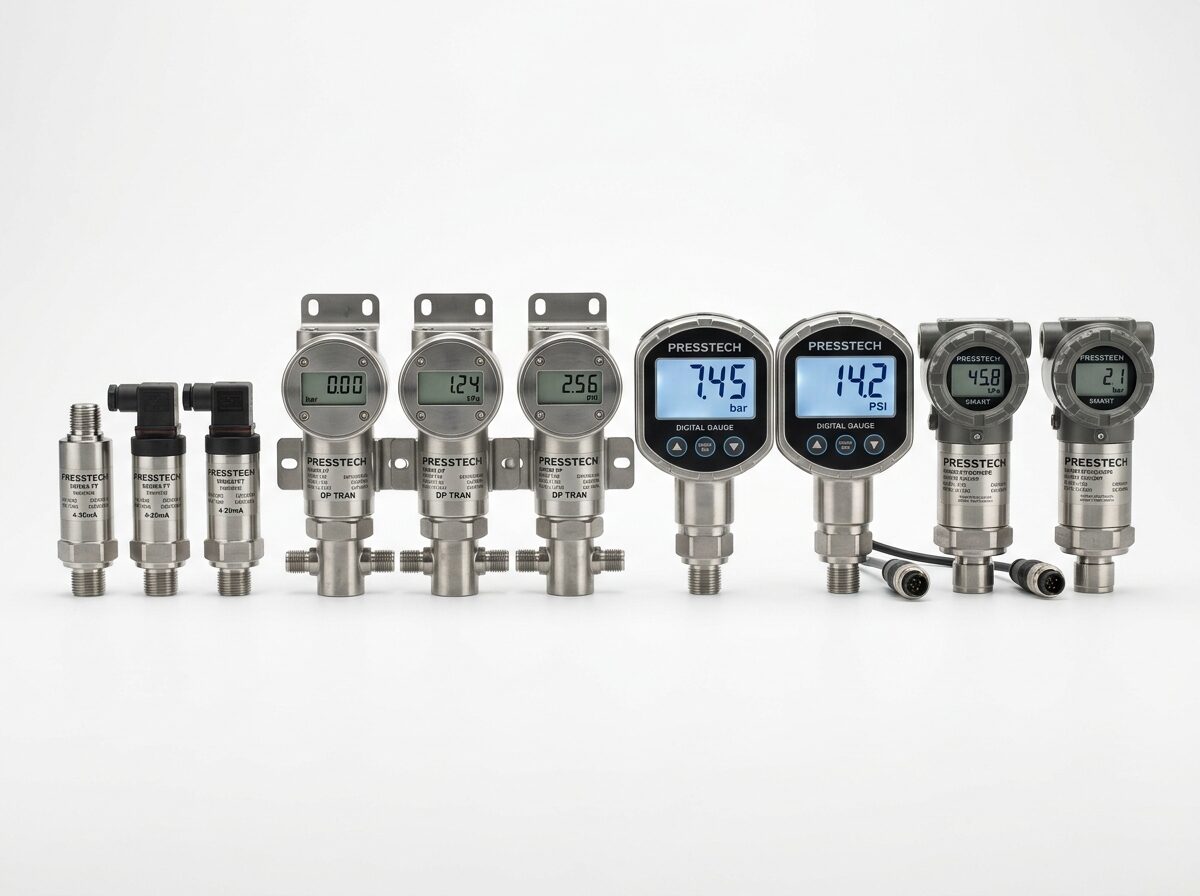
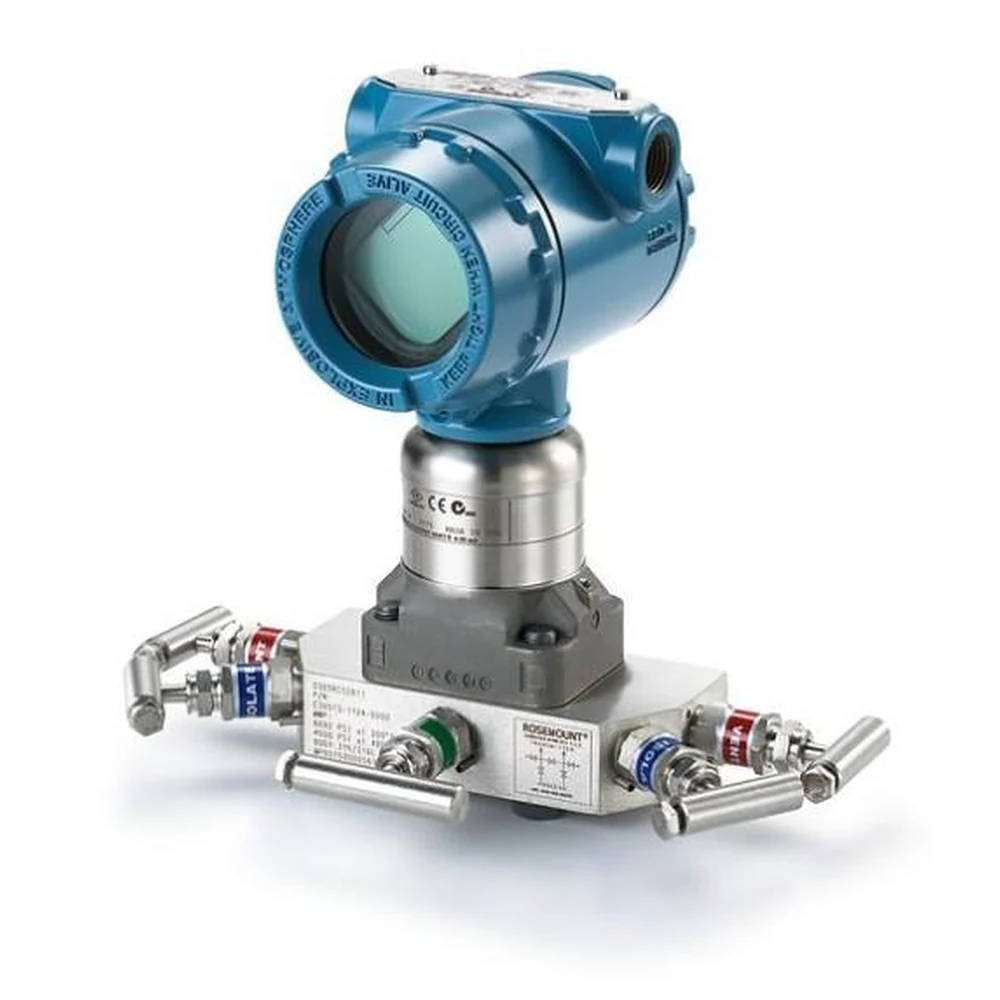
In process automation, pressure is both a primary control variable and an indirect measurement method for liquid level, tank volume, and pipe flow rate. Industrial pressure transmitters (such as the PT-200 series) convert physical mechanical pressure exerted on an isolated sensing diaphragm into an industry-standard 4-20mA analog current loop or digital fieldbus signal.
Gauge, Absolute, and Differential Pressure: Which Do You Need?
- Gauge Pressure (barg, psig): Measures pressure relative to current ambient atmospheric pressure. The back of the sensing diaphragm is vented to atmospheric pressure. Most common in vessel monitoring, pipeline distribution, and hydraulic systems.
- Absolute Pressure (bara, psia): Measures pressure relative to a perfect vacuum sealed inside the sensing cell chamber. Essential in vacuum distillation columns, condenser vacuum monitoring, and meteorological equipment where barometric fluctuations must not alter the reading.
- Differential Pressure (DP): Measures the delta between two distinct process pressure ports (High and Low). Widely used for orifice plate flow metering and pressurized vessel level calculation.
Sensing Cell Technologies Compared
Modern transmitters predominantly utilize either piezoresistive silicon or ceramic capacitive sensing elements:
- Piezoresistive Diaphragms: Offer extreme responsiveness (<5 ms), compact footprint, and high linearity over wide pressure spans. Protected by an isolating 316L or Hastelloy diaphragm backfilled with silicone oil.
- Ceramic Capacitive Diaphragms: Deliver superior resistance to harsh abrasion and severe chemical attack, while tolerating instantaneous overpressure spikes up to 40x nominal range without mechanical rupture.
Wiring & Environmental Protection Best Practices
In harsh industrial plants, electrical transient spikes from variable frequency drives (VFDs) and pump contactors can introduce signal noise onto transmitter lines. Best practices dictate using shielded twisted pair (STP) cabling with the shield grounded at one central instrument panel point only, preventing troublesome ground loops.