


From Isolated Analog Signals to Smart Connected Plant Ecosystems
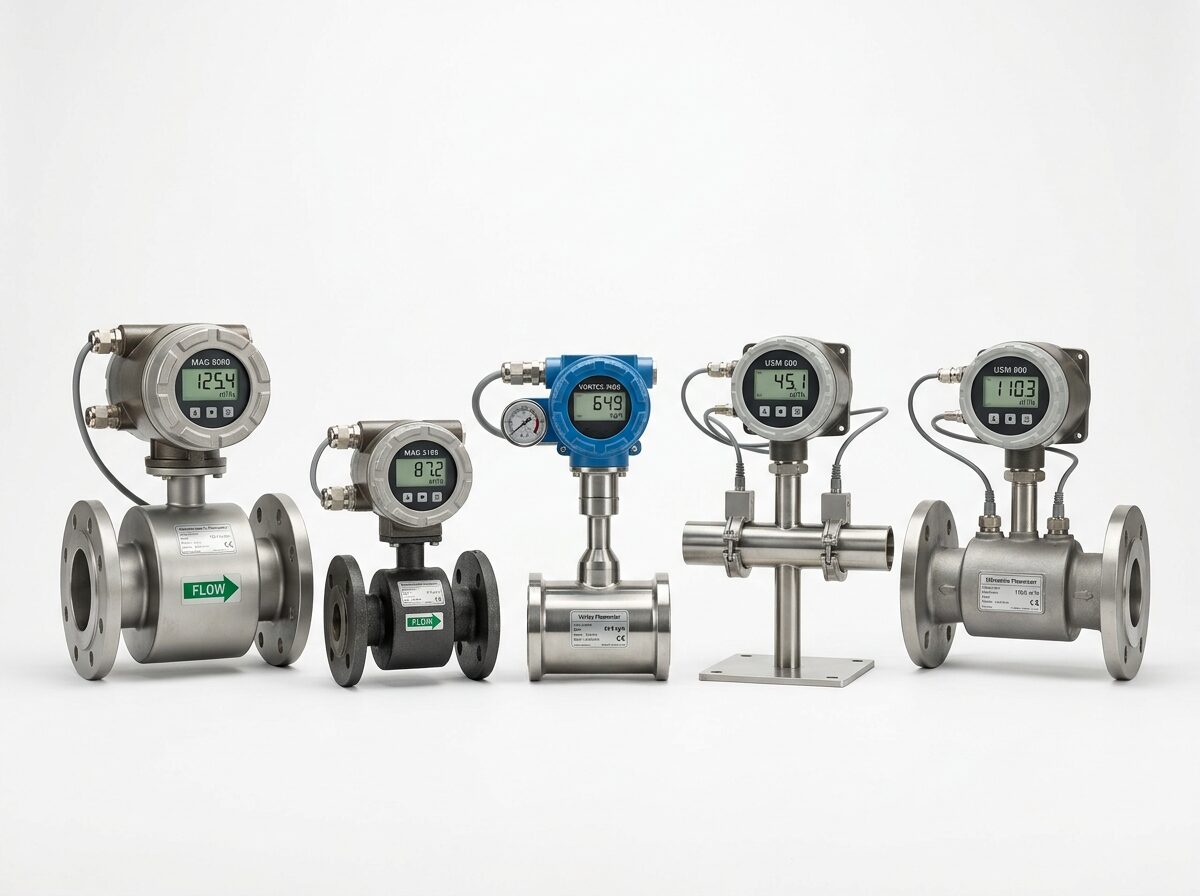
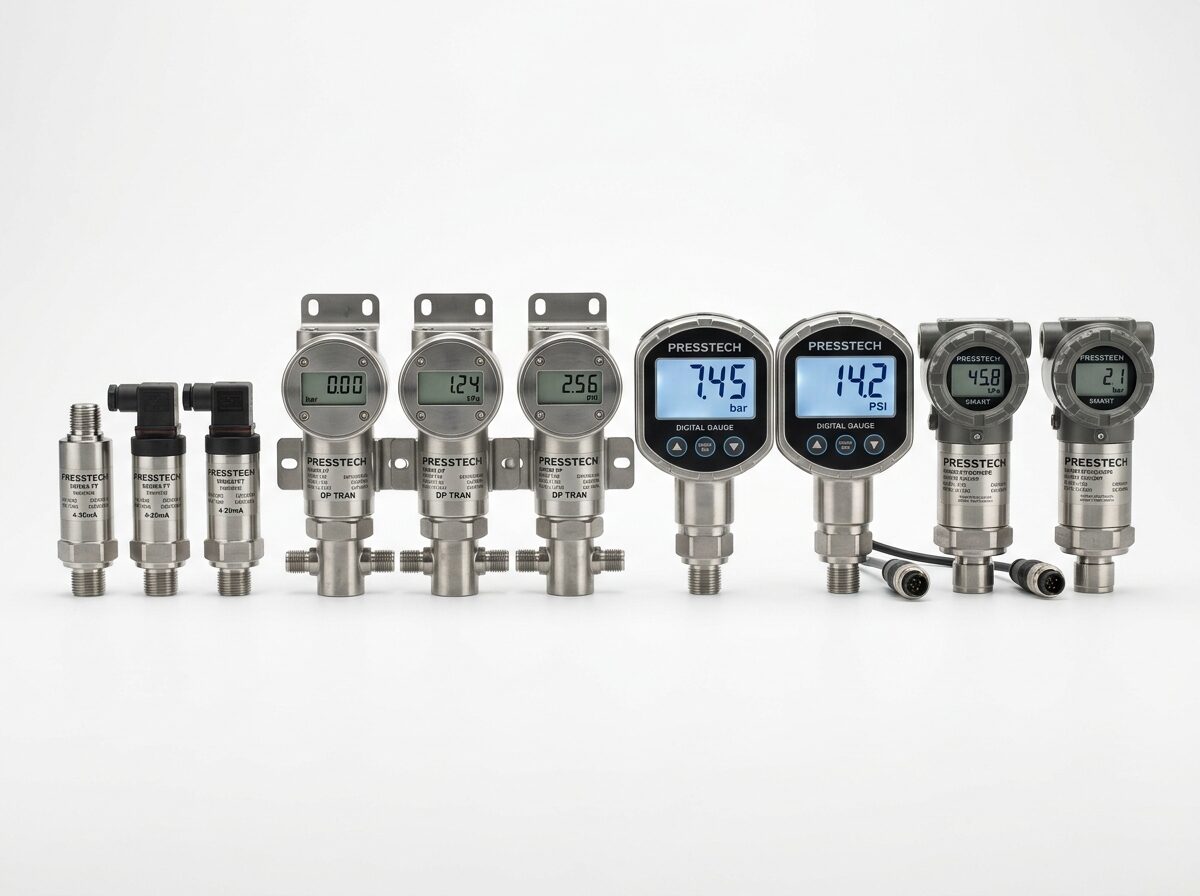
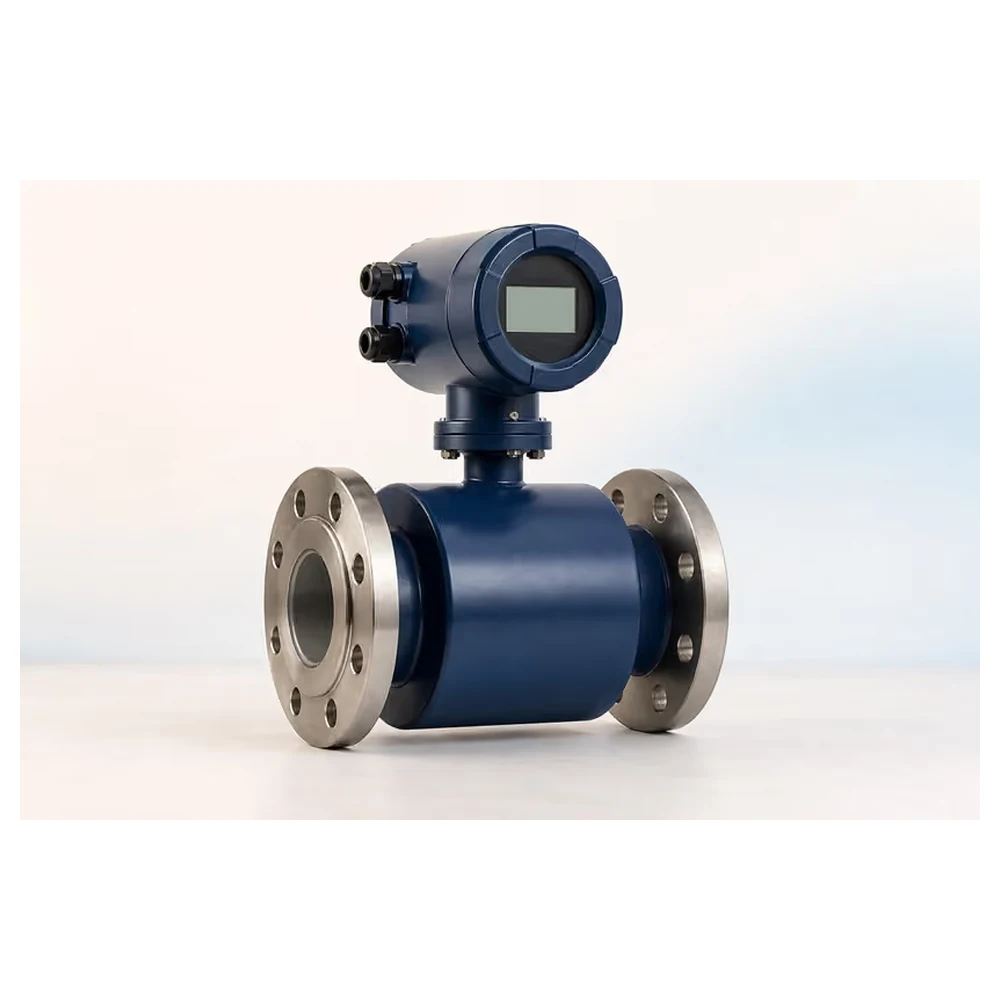
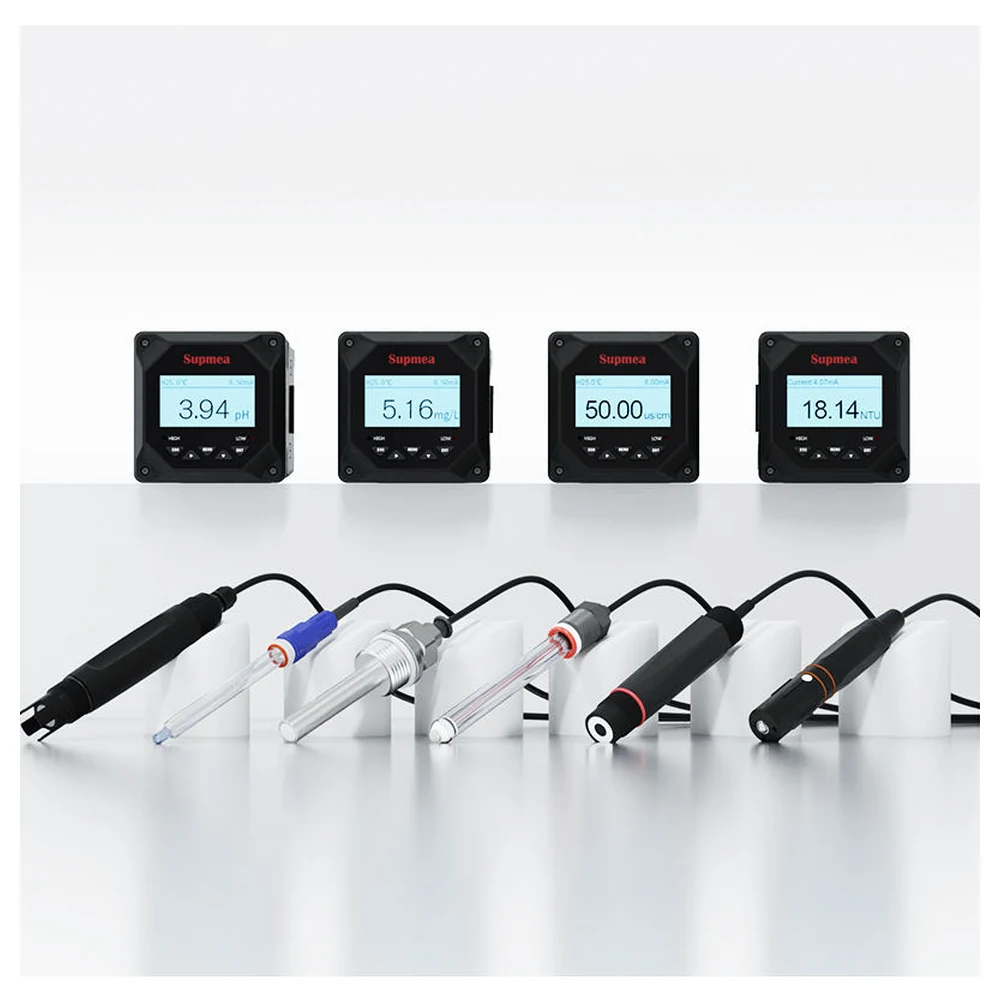
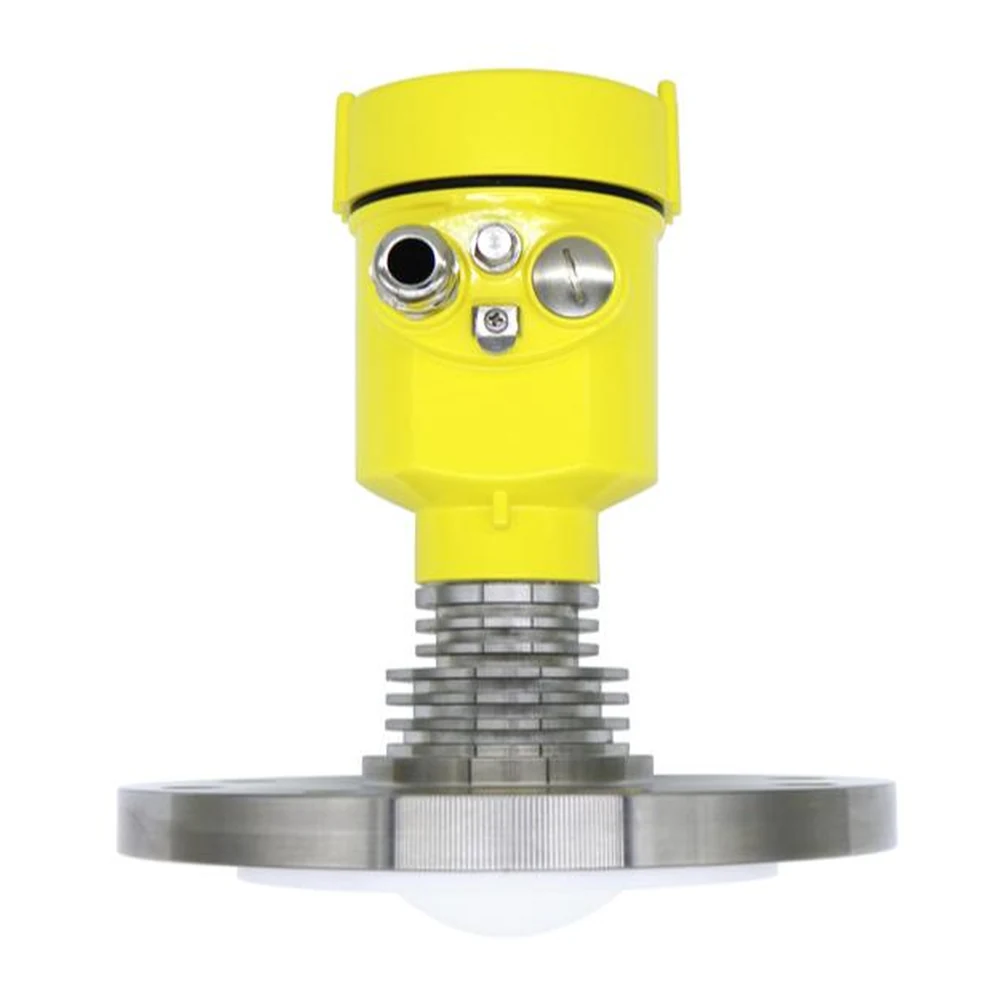
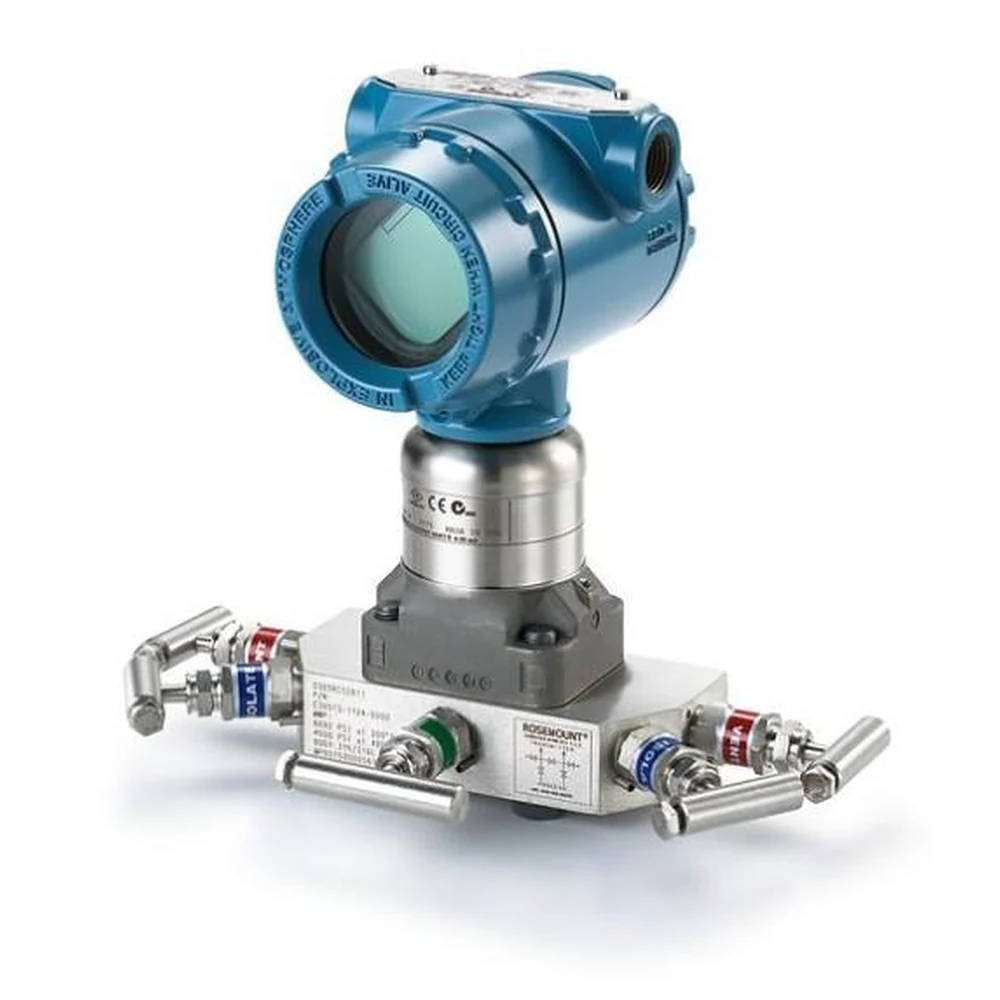
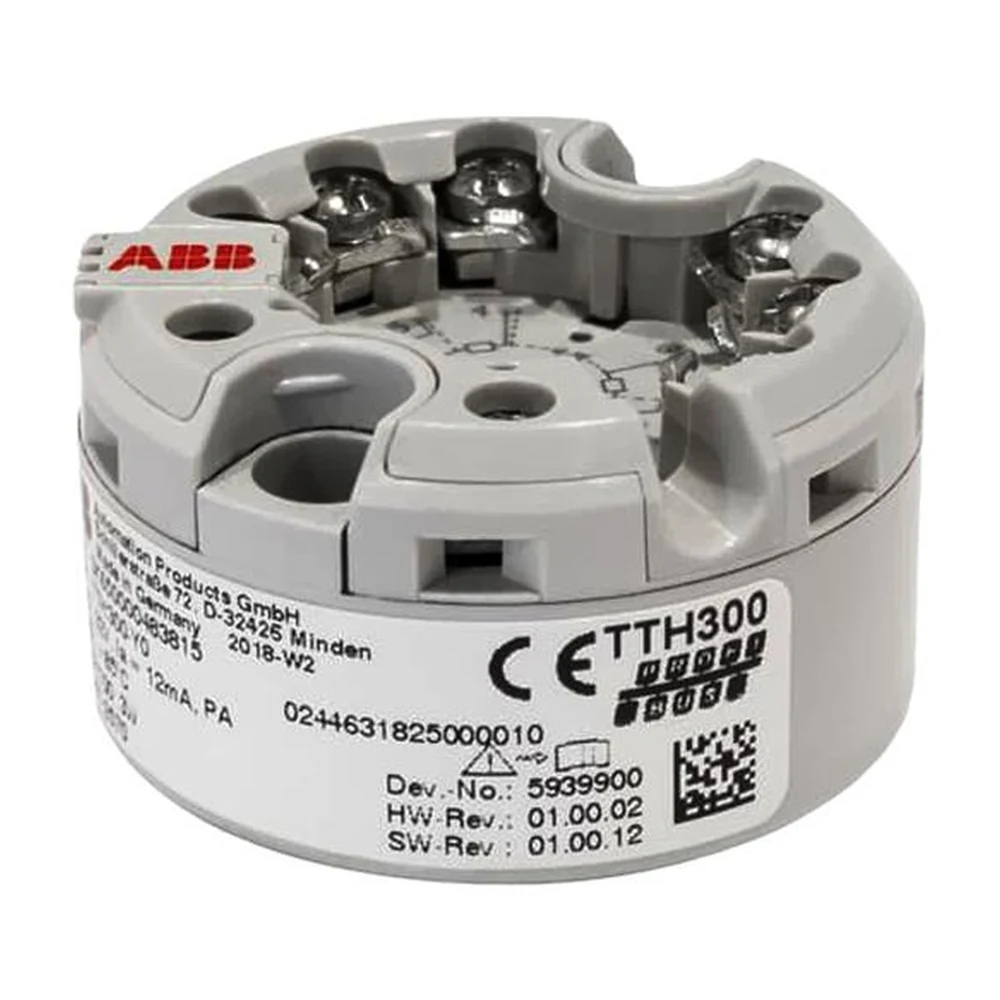
In legacy automation architectures, sensors functioned as passive “blind” devices that simply converted physical properties into an analog 4-20mA loop. With the rapid evolution of Industry 4.0 and the Industrial Internet of Things (IIoT), modern instrumentation now acts as an intelligent edge data node capable of diagnostic self-reporting, predictive maintenance alerting, and multi-variable parameter tracking.
Key Benefits of Smart Sensor Integration
- Predictive Maintenance Alerts: Advanced transmitters monitor their own internal temperature, coil health, electrode impedance, and diaphragm stress, warning SCADA operators of developing anomalies weeks before an actual process shutdown occurs.
- Remote Digital Configuration: Through protocols like HART, Modbus RTU, and IO-Link, field engineers can recalibrate, re-range, or re-zero sensors from central control rooms without deploying technicians into hazardous field environments.
- Higher Process Precision: Digital signal processing (DSP) filters out mechanical pipe vibrations, fluid cavitation, and electrical noise, providing controllers with cleaner data for tighter PID loop optimization.
Integrating Sensor Data into SCADA & Cloud Platforms
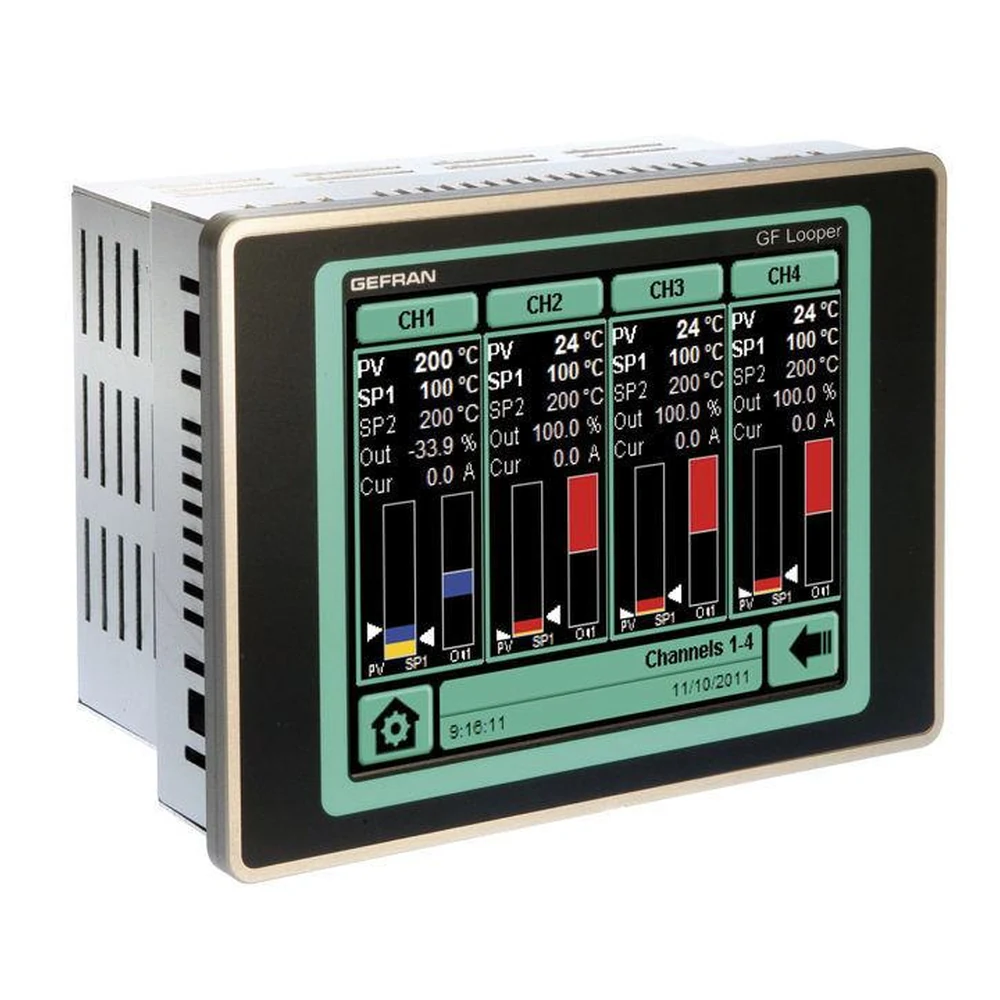
At Sky IA Solution, we bridge the divide between plant-floor field instruments and modern cloud enterprise platforms. By pairing smart transmitters with industrial edge gateways, operators gain real-time visibility across global operations, automated compliance logging, and AI-driven energy optimization models.